
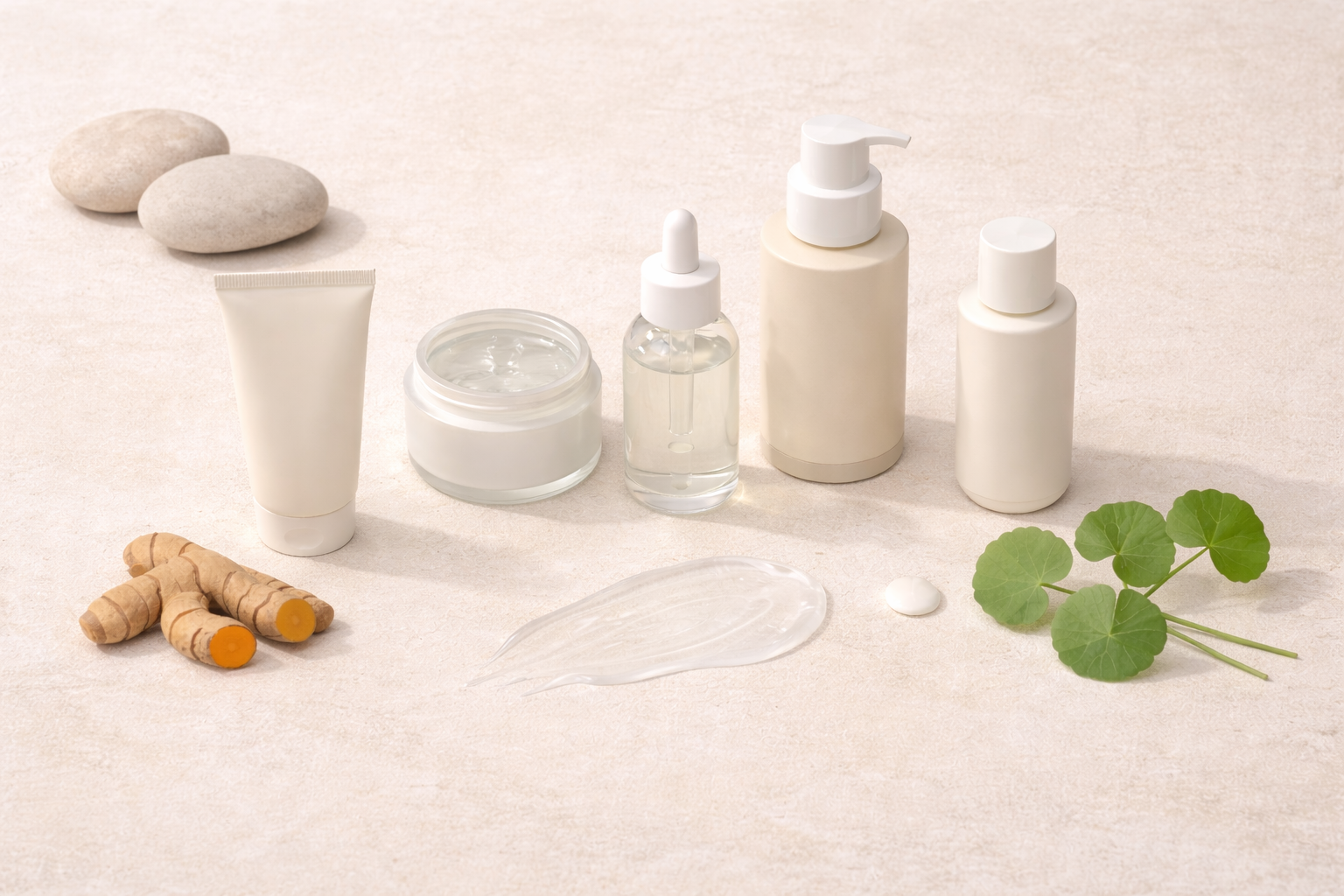
When people search for “Thai skincare,” they usually expect one of two things: exotic herbal secrets or a Southeast Asian version of K-beauty. Neither reflects how skincare actually works in Thailand.
Everyday Thai skincare is not aspirational, not trend-driven, and not designed to impress anyone. It is pragmatic. It exists to make daily life in heat, humidity, pollution, and constant sweating more comfortable. Understanding this difference is the key to understanding what locals really use – and why tourist beauty lists so often miss the point.
This article is not a shopping guide and not a ranking. It’s an explanation of habits, logic, and priorities that shape skincare in Thailand.
What “Locals Actually Use” Really Means
When people say they want to know what locals use, they often mean “what is popular right now.” In Thailand, popularity and daily use are not the same thing.
“Locals actually use” means products that:
- stay in the bathroom year after year
- are repurchased without thought
- fit into daily routines without effort
- solve climate-related discomfort first, not aesthetic concerns
It does not mean:
- trend launches
- influencer favorites
- gift sets
- airport bestsellers
- products people buy for others
A critical distinction in Thailand is between:
- daily personal use, and
- items culturally coded as gifts or souvenirs
Many products tourists associate with “Thai skincare” fall into the second category. Locals know the difference instinctively. Visitors usually don’t – and that gap explains most disappointment.
How Climate Shapes Everyday Skincare in Thailand
Thailand’s climate is not just “hot.” It is persistently hot, consistently humid, and physically intrusive.
Skincare here is shaped by:
- continuous sweating
- oil production amplified by humidity
- skin friction from heat and movement
- frequent cleansing throughout the day
- air pollution in urban areas
As a result, priorities invert compared to Western or Korean routines.
Light textures are not a preference – they’re a necessity
Heavy creams, occlusives, and rich emulsions feel uncomfortable within minutes. Products must absorb fast or evaporate cleanly. Anything that leaves residue is abandoned.
Cleansing matters more than actives
When your face is washed multiple times a day, the tolerance for aggressive ingredients drops. Harsh actives don’t fit into this reality. Comfort does.
Discomfort control beats anti-aging
Feeling sticky, overheated, greasy, or irritated is an immediate problem. Wrinkles are abstract by comparison. Skincare is judged by how it feels at 2 p.m., not how it promises to look in ten years.
This context explains why many imported routines fail in Thailand – and why local habits look “basic” from the outside.
Core Categories of Skincare Locals Rely On
Thai skincare routines are short, repetitive, and stable. The same categories appear again and again, with little variation.
Cleansing as the Foundation
If there is one category that dominates Thai skincare, it is cleansing.
Frequency
Many people cleanse:
- in the morning
- after returning home
- after sweating heavily
- before bed
This can mean two to four times per day.
Mildness over performance
Because cleansing is frequent, products must:
- not strip
- not tingle
- not leave tightness
- not disrupt barrier recovery
Foams and gels are common, but the defining feature is gentleness, not lather density.
Why cleansing matters more than treatments
In a climate where sweat, oil, sunscreen, and pollution accumulate quickly, removal is more important than correction. Clear, comfortable skin is achieved by subtraction, not layering.
This is why locals are loyal to familiar cleansers and slow to change them.
Oil Control & Skin Comfort
In Thailand, oil control is skincare – not makeup.
The goal is comfort, not matte perfection
Products are used to:
- reduce slippery feeling
- prevent sweat mixing with oil
- limit friction and irritation
This includes:
- absorbent lotions
- lightweight gels
- cooling or refreshing formats
- powders used on bare skin
Powder use, in particular, is often misunderstood. It’s not about coverage. It’s about staying dry enough to function.
Cooling is functional, not cosmetic
Mentholated or cooling sensations are common, but locals are selective. Mild cooling that reduces heat discomfort is welcome. Aggressive “icy” effects are not everyday products.
Basic Hydration, Not Layering
Thai skincare favors hydration without buildup.
Gels over creams
Water-based gels and light emulsions dominate because they:
- absorb quickly
- don’t trap heat
- don’t interfere with sweating
Minimal steps
The multi-step routines popular elsewhere never fully took hold. The reasons are practical:
- products feel heavy in combination
- reapplication during the day becomes impossible
- skin feels “crowded”
Hydration is expected to be:
- fast
- invisible
- easily reapplied
If a product complicates the day, it doesn’t survive long-term use.
Herbal & Familiar Remedies
Thailand does use herbal ingredients – but not in the way tourist marketing suggests.
What’s actually used
- familiar plant extracts integrated into modern formulas
- soothing or cooling botanicals
- ingredients associated with comfort and skin calm
These are used because they are familiar, not exotic.
What’s mostly myth
- ritualistic multi-herb routines
- “ancient secrets” used daily
- strong medicinal preparations as skincare
Many herbal products marketed to tourists are:
- culturally symbolic
- gift-oriented
- occasionally used, not habitual
Locals differentiate clearly between “nice to have” and “what I put on my face every day.”
Products Locals Use vs Products Tourists Buy
This divide is one of the most important things to understand.
The gift economy
Certain skincare items are:
- socially acceptable gifts
- associated with travel
- perceived as thoughtful souvenirs
They are often:
- nicely packaged
- scented
- traditional in narrative
Locals may own them – but not rely on them.
Everyday products are boring on purpose
Daily-use items tend to be:
- plainly packaged
- consistent over time
- function-focused
Tourists often overlook them because they don’t look special. Locals choose them because they don’t demand attention.
Why disappointment happens
Visitors expect:
- dramatic results
- transformative rituals
- visible “Thai uniqueness”
What they encounter instead is:
- subtle comfort
- unremarkable formulas
- products that only make sense in Thai climate
The mismatch is conceptual, not qualitative.
Are Thai Skincare Products “Good Quality”?
This question reveals a cultural difference in how quality is defined.
How quality is understood locally
In Thailand, a good skincare product is one that:
- doesn’t irritate
- doesn’t interfere with daily life
- works consistently in heat
- is affordable enough to repurchase without hesitation
Longevity and tolerance matter more than innovation.
Price does not equal distrust
Lower prices are not seen as suspicious. They reflect:
- local manufacturing
- mass usage
- minimal marketing overhead
A product that costs more but feels uncomfortable in the climate is considered lower quality, regardless of ingredients.
Western bias vs local logic
Western and K-beauty frameworks often prioritize:
- novelty
- ingredient complexity
- visible “results”
Thai skincare prioritizes:
- adaptability
- comfort
- repeatability
Neither is inherently superior – but they answer different problems.
FAQ
Are Thailand skincare products good?
Yes, if you judge them by their intended purpose. They are optimized for heat, humidity, and frequent use. They are not designed to replace high-active treatment routines.
What do Thai people actually use for skincare?
Mostly gentle cleansers, lightweight hydration, oil-control products, and familiar comfort-focused formulas. Routines are short and stable.
What beauty products is Thailand known for?
Internationally, Thailand is known for spa and herbal imagery. Locally, everyday skincare is quiet, functional, and rarely marketed abroad.
What skincare is practical in hot climates?
Products that absorb quickly, don’t trap heat, tolerate frequent cleansing, and prioritize comfort over correction.
Final Perspective – Understanding Thai Skincare Correctly
Thai skincare is not an export fantasy. It is not built to impress global consumers or compete with trend-heavy beauty systems.
It is a locally optimized response to:
- climate
- daily movement
- social norms
- comfort needs
This is why it can feel underwhelming to outsiders – and indispensable to locals.
Thai skincare doesn’t promise transformation. It promises livability. And in Thailand’s environment, that is the highest standard a product can meet.
Understanding this doesn’t mean you have to adopt it. It simply means judging it on its own terms – not through someone else’s lens.