
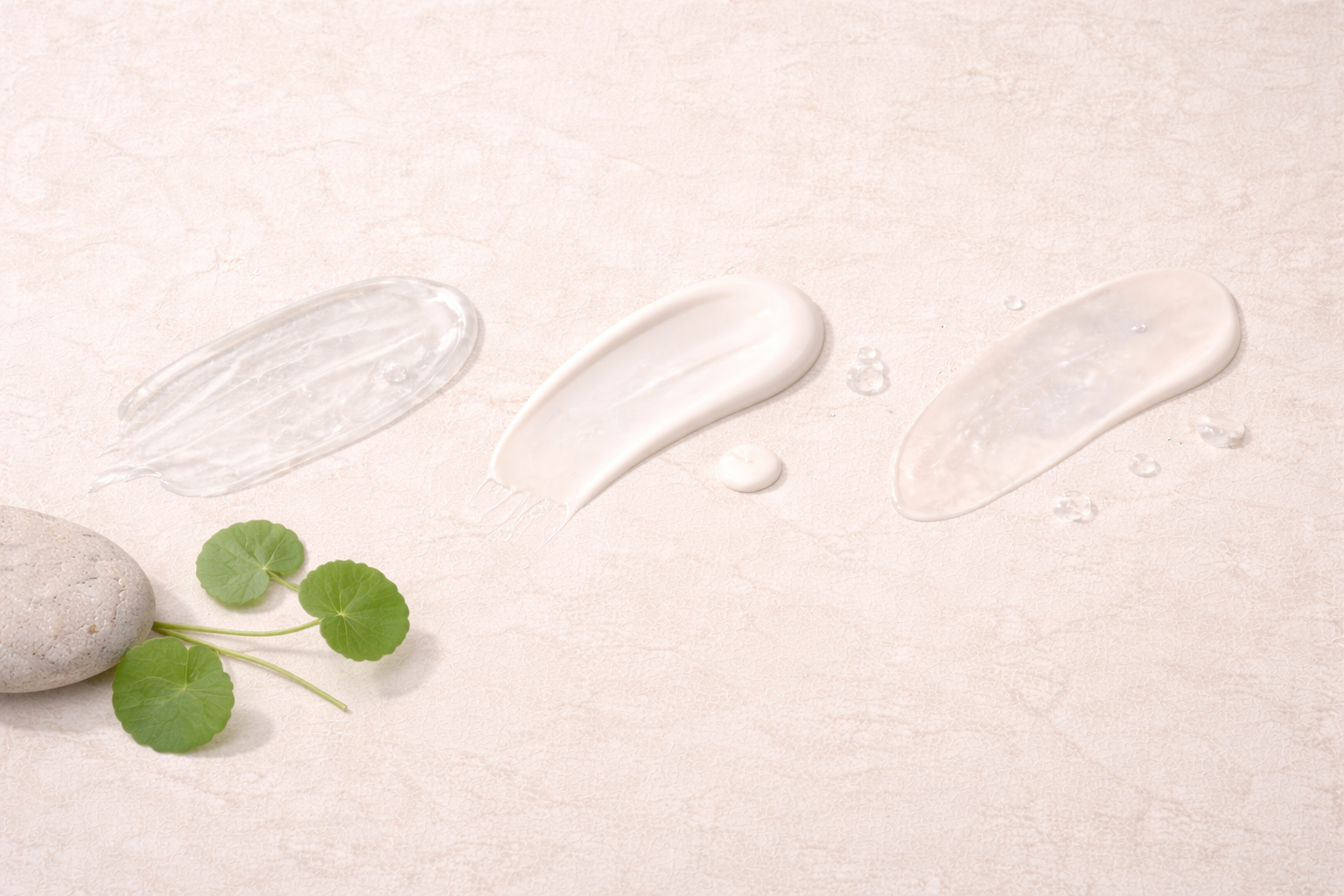
Thai skincare often gets talked about as if it’s one unified philosophy – lightweight textures, herbal extracts, refreshing gels. In reality, it’s a system shaped by climate, skin physiology, and long-term daily use in heat and humidity. That’s exactly why it works very differently depending on your skin type.
This guide is not a product list and not a routine template. It’s a reference-level explanation of how and why Thai skincare behaves the way it does for oily, dry, and sensitive skin, and how to evaluate suitability without relying on brand names or trends.
Why Skin Type Matters More in Thai Skincare
Thailand’s climate isn’t just “warm.” It’s consistently hot, humid, and sweat-inducing, often year-round. That single environmental factor changes how skin behaves more dramatically than most people expect.
In humid heat:
- Sebum production increases
- Sweat alters skin surface pH
- Occlusion becomes uncomfortable very quickly
- Barrier stress comes more from over-cleansing than from dryness
This is why many Western or even Northeast Asian skincare assumptions don’t translate well.
Thai skincare is largely formulated around daily comfort under environmental stress, not around dramatic overnight transformation. Products are designed to:
- Reduce friction and congestion
- Calm heat-induced irritation
- Absorb quickly without trapping sweat
- Support the barrier without heavy occlusion
Generic advice like “oily skin needs oil control” or “dry skin needs richer creams” becomes unreliable in this context. The same product can feel balancing on one skin type and suffocating or ineffective on another – especially outside Thailand.
Understanding Skin Types in a Hot & Humid Climate
Oily ≠ problematic
In hot climates, oily skin is often functional. Sebum helps reduce transepidermal water loss during heat exposure and protects against friction from sweat and frequent cleansing. The issue isn’t oil itself – it’s how oil interacts with humidity, residue, and cleansing habits.
Dry ≠ common
True dry skin is relatively uncommon among people living long-term in Thailand. When it does exist, it often presents as:
- Barrier-compromised rather than oil-deficient
- Temporarily dry due to over-cleansing or air conditioning
- Reactive rather than classically “flaky”
Sensitive ≠ rare
Heat-induced sensitivity is extremely common, even among people who don’t identify as having sensitive skin in cooler climates. Flushing, stinging, and low-grade irritation often come from thermal stress, not allergies or actives.
Understanding these distinctions is critical before judging whether Thai formulations “work” for you.
Thai Skincare for Oily Skin
Oily skin is the baseline assumption for many Thai formulations. That doesn’t mean aggressive oil control – it means managing discomfort, congestion, and sweat interaction.
Frequent cleansing, but not harsh cleansing
In humid environments, skin often needs to be cleansed more than once a day. Thai-formulated cleansers tend to:
- Prioritize low-residue removal
- Avoid heavy foaming agents
- Rinse clean without leaving slip
The goal is not to strip oil, but to remove sweat, environmental debris, and sunscreen without triggering rebound sebum production.
Lightweight textures that disappear
Oily skin in heat reacts poorly to products that “sit” on the surface. This is why Thai formulations often favor:
- Gels
- Watery lotions
- Very light emulsions
These textures reduce the likelihood of pore congestion and the sensation of stickiness – a major trigger for over-cleansing.
Discomfort control over aggressive mattifying
Rather than chasing a matte finish, Thai skincare typically aims to:
- Reduce heat sensation
- Calm redness
- Minimize friction from sweat
This approach recognizes that completely suppressing oil in a humid climate often backfires.
Skincare products that realistically suit oily skin
For oily skin, Thai skincare products usually work best when they:
- Absorb quickly
- Don’t rely on heavy occlusives
- Focus on soothing rather than correcting
When people say Thai skincare “works amazingly” for oily skin, they’re usually responding to comfort and wearability, not dramatic oil reduction.
Thai Skincare for Sensitive Skin
Sensitive skin in hot climates behaves differently from sensitivity in cold or dry environments.
Heat-induced sensitivity is the dominant pattern
Common triggers include:
- Warm water cleansing
- Occlusion under sweat
- Over-layering products
- Fragrance buildup over time
Thai formulations often reflect this by keeping ingredient lists shorter and avoiding high concentrations of strong actives.
The role of simple formulations
Minimalism in Thai skincare isn’t a trend – it’s practical. Products are often built around:
- A small number of soothing agents
- Hydration without heaviness
- Low sensory irritation
This is why people with reactive skin often find Thai products “unexpectedly calming,” even if they aren’t labeled for sensitivity.
Why fewer actives often work better
In heat, the skin barrier is already under stress. Adding exfoliants, strong acids, or multiple actives can amplify sensitivity. Thai skincare tends to assume:
- Skin doesn’t need constant stimulation
- Calm skin functions better than “treated” skin
- Consistency beats intensity
For sensitive skin, this philosophy often feels like relief rather than compromise.
Thai Skincare for Dry Skin (Special Case)
Dry skin is where expectations most often clash with reality.
Why dry skin is an exception in Thailand
Most Thai formulations assume:
- Ambient humidity provides baseline hydration
- Skin discomfort comes from heat, not dryness
- Occlusion feels unpleasant rather than protective
As a result, many products may feel insufficient for dry skin, especially for people coming from colder or drier climates.
How Thai skincare approaches this case
Instead of heavy creams, dry-skin–friendly Thai products often focus on:
- Layerable hydration
- Barrier-supportive ingredients without weight
- Reducing irritation that worsens dryness perception
This can work well for mild to moderate dryness, particularly when dryness is barrier-related rather than genetic.
What tourists often do wrong
Common mistakes include:
- Expecting rich textures similar to European creams
- Using multiple cleansers per day in air-conditioned environments
- Assuming “light” means “not moisturizing”
Dry skin can benefit from Thai skincare – but only when expectations are adjusted and cleansing habits are moderated.
Why One Skincare Routine Doesn’t Work for Everyone
Universal routines fail because they ignore three variables:
- Skin type
- Climate
- Sensory tolerance
Thai skincare philosophy is inherently adaptive. It assumes:
- Skin needs change with heat exposure
- Comfort influences compliance
- Over-treatment causes more problems than under-treatment
Rather than copying routines, the Thai approach encourages adjusting texture, frequency, and intensity based on how skin feels that day.
This is why people often succeed with Thai skincare when they stop treating routines as fixed systems and start treating them as flexible frameworks.
Common Mistakes When Choosing Thai Skincare by Skin Type
Copying someone else’s routine
What works for oily skin living in Bangkok may not work for oily skin living in a dry or air-conditioned environment.
Expecting “K-beauty results”
Thai skincare is less about visible transformation and more about sustained comfort and stability. Comparing it to heavily layered routines often leads to disappointment.
Over-cleansing or overusing actives
Heat already increases skin reactivity. Adding excessive cleansing or strong actives often creates the very problems people are trying to fix.
FAQ (People Also Ask + Reddit)
Which skincare is best for oily and sensitive skin?
Products that prioritize soothing, low-residue hydration and minimal actives tend to perform best, especially in humid climates.
Is Thai skincare good for dry skin?
It can be, particularly for barrier-compromised or climate-induced dryness, but it may not replace richer formulations needed in cold environments.
What skincare works best in hot climates?
Lightweight, fast-absorbing formulations that reduce friction and irritation rather than aggressively treating skin concerns.
Are Thai skincare products suitable for sensitive skin?
Many are, especially those designed to calm heat-induced irritation rather than deliver high active concentrations.
Final Perspective – Choosing Thai Skincare That Actually Fits You
The value of Thai skincare isn’t in trends or hero ingredients. It’s in context-aware formulation.
- Skin type matters more than labels
- Climate matters more than brand reputation
- Comfort matters more than transformation
When evaluated through that lens, Thai skincare becomes less confusing – and far more useful. It’s not about finding the “best” product. It’s about understanding why something feels right on your skin and knowing when it won’t.
If you can do that, you don’t need a product list. You already have the framework.