
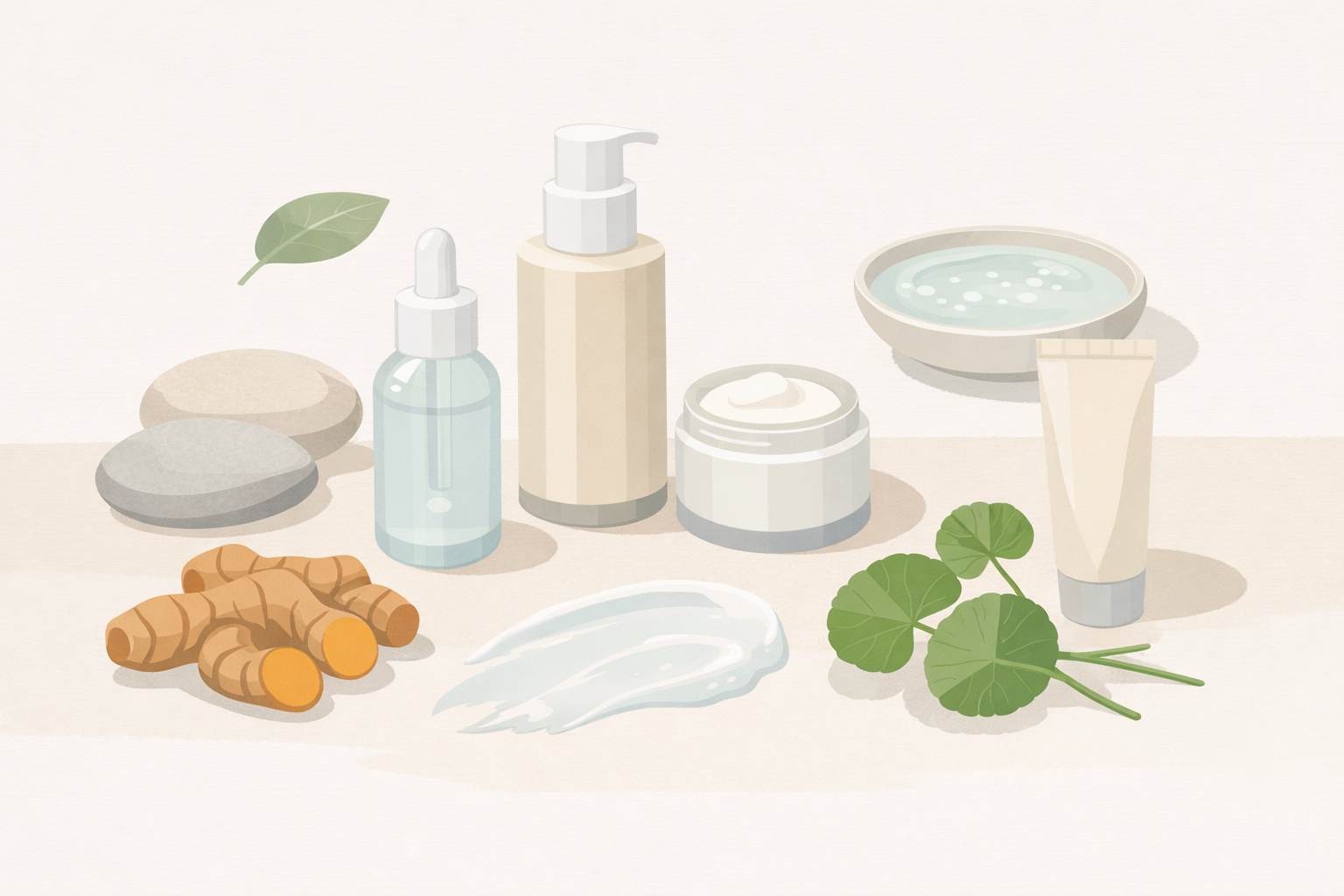
Thai skincare has quietly built a reputation for being pragmatic, ingredient-driven, and climate-smart-yet it’s still underestimated outside Southeast Asia. This guide is written to do one thing well: explain why Thai skincare works, who it’s for, and how to evaluate brands and products without getting lost in tourist hype or glossy “Top 10” lists.
If you’re traveling through Bangkok, Phuket, or Chiang Mai-or browsing from abroad-consider this a reference, not a shopping list. Calm, contextual, and honest.
Why Thai Skincare Is Unique (Not Just “Cheap Asian Beauty”)
Thai skincare didn’t grow out of trend cycles; it evolved from daily reality. Year-round heat, high humidity, UV exposure, pollution, and acne-prone skin types shaped formulas that prioritize light textures, fast absorption, and barrier resilience.
Unlike Korean skincare (which often centers on layering and sensorial rituals) or Japanese skincare (which leans minimalist and prevention-focused), Thai skincare is utilitarian. Products are expected to work quickly, feel comfortable in heat, and not clog pores under sweat and sunscreen.
Cultural context matters too. Thailand has a deep herbal tradition-ginger, turmeric, centella, tamarind-combined with modern pharmaceutical manufacturing. Many local brands were born in pharmacies or dermatology labs, not beauty counters. That’s one reason Thai skincare remains underrated globally: it rarely shouts; it just performs.
Core Ingredients That Define Thai Skincare
Snail mucin (without the hype)
Snail mucin shows up across Asia, but Thai formulations typically keep textures lighter and less occlusive. The focus is soothing and recovery, not glass-skin theatrics. Think post-sun stress, compromised barriers, and acne-adjacent irritation-conditions common in tropical climates.
Thai herbal extracts
Local botanicals aren’t decorative. Turmeric for inflammation, tamarind for mild exfoliation and radiance, centella for calming-these are used at functional levels. You’ll often see them paired with modern actives rather than positioned as “all-natural miracles.”
Brightening vs. whitening (context matters)
In Thailand, “brightening” historically overlapped with “whitening,” but the market has matured. Today’s better formulas focus on even tone, clarity, and glow, not aggressive bleaching. The shift is visible in ingredient lists that favor niacinamide, vitamin C derivatives, and licorice over harsh suppressants.
Sensitive-skin focus in a harsh climate
Heat, sweat, masks, and pollution mean irritation is common. Many Thai brands design for reactive, acne-prone, and combination skin, with gels and emulsions that disappear fast and don’t pill under sunscreen.
Best Thai Skincare Brands by Category
This section isn’t about ranking-it’s about fit. Each category answers a different need.
Dermatology-Backed & Pharmacy Brands
These brands earn trust because they start with skin conditions, not trends. Expect conservative claims, simple packaging, and formulas that play well with prescriptions or active routines.
- Smooth E – Known for barrier-repair cleansers and creams that avoid fragrance overload. A staple for post-procedure or sensitized skin.
- Physiogel – While not Thai-exclusive, it’s deeply embedded in Thailand’s pharmacy culture for a reason: lipid science and tolerance.
Who this category suits: sensitive skin, acne treatment overlap, minimalists who want reliability over novelty.
Iconic Local Brands Tourists Actually Buy
These brands crossed into mainstream awareness because they solved common problems clearly-and communicated them well.
- Snail White – The brand that made snail skincare globally recognizable from Thailand. Lightweight textures and accessible positioning explain its reach (not magic).
- Oriental Princess – A long-standing local name with skincare, body care, and fragrance, often designed for everyday use rather than editorial fantasy.
Who this category suits: first-time explorers of Thai skincare who want recognizable entry points without diving into niche labs.
Budget & Convenience Store Gems (the “7-Eleven effect”)
Thailand’s convenience stores are a testing ground. Single-use sachets, mini sizes, and fast-acting gels thrive because consumers demand immediate feedback in real heat.
- Srichand – Once heritage powder, now a modern line with oil-control and calming skincare that respects humidity.
- Mistine – Mass-market, trend-responsive, and surprisingly functional for basic needs like cleansing and UV-adjacent prep.
Who this category suits: travelers, oily skin types, and anyone who wants to experiment without committing to full sizes.
Herbal, Organic & Traditional Thai Skincare
This space blends spa culture with home remedies-but the best brands modernize tradition instead of freezing it in amber.
- HARNN – Aromatic, polished, and ritual-oriented; more about sensorial balance than clinical correction.
- Panpuri – Elevated botanicals with a strong wellness angle; ideal for those who treat skincare as part of lifestyle rhythm.
Who this category suits: dry or normal skin, fragrance-tolerant users, and anyone drawn to holistic routines.
Snail White and the “Hero Product” Phenomenon
The rise of snail white as a phrase says more about consumer psychology than ingredients. One hero product becomes shorthand for an entire category-easy to remember, easy to recommend.
What set this brand apart wasn’t exclusivity; it was accessibility. Textures felt right in heat. Claims were simple. Distribution matched real life. Compared to generic snail creams that feel heavy or sticky, the Thai approach leaned breathable and day-friendly.
Who it’s for: combination skin, post-acne recovery, travelers adjusting to climate stress.
Who should skip: those seeking intense anti-aging actives or fragrance-free minimalism.
Where People Buy Thai Skincare (Without Store Lists)
Understanding channels helps you avoid mistakes.
- Pharmacies prioritize skin conditions and tolerance. Staff are used to questions about acne, irritation, and reactions.
- Beauty chains curate mainstream and local hits, often with testers and travel sizes.
- Convenience stores focus on immediacy-products that work now, not in six weeks.
- Online & export expand access but raise authenticity questions; packaging and labeling standards matter.
Common tourist misstep: buying based on popularity alone. In Thailand, popularity often reflects climate fit, not universal suitability.
Common Myths About Thai Skincare
“Thai skincare is only whitening.”
Outdated. The market has shifted toward tone-evening, calming, and barrier repair.
“Cheap means low quality.”
Price often reflects distribution and packaging, not formulation standards. Thailand’s manufacturing base is strong.
“Made in Thailand means fake.”
Thailand is a regional manufacturing hub. Authenticity depends on sourcing, not geography.
FAQ
What beauty products is Thailand known for?
Lightweight skincare, herbal formulations, oil-control products, and climate-adapted sunscreens and gels.
Which Thai skincare brands are worth buying?
Those aligned with your skin needs-pharmacy brands for sensitivity, convenience lines for oil control, herbal brands for ritual-driven care.
Is Thai skincare good for sensitive skin?
Yes, especially pharmacy-led lines designed for heat-induced irritation and acne-prone profiles.
Can you buy Thai skincare outside Thailand?
Many brands export, but availability varies. Always verify packaging and ingredient lists when buying abroad.
Final Take – Who Thai Skincare Is Actually For
Thai skincare isn’t trying to replace Korean or Japanese routines-it solves a different problem set.
It’s ideal if you:
- Live in hot, humid climates
- Have combination, oily, or acne-prone skin
- Want effective, no-nonsense formulas
- Value herbal-meets-clinical approaches
You might look elsewhere if you:
- Prefer heavy creams or multi-step rituals
- Chase trend-driven actives over climate fit
- Need ultra-specific anti-aging protocols
Thai skincare remains an underrated category because it doesn’t market loudly. But for the right skin, in the right environment, it’s quietly exceptional-and often exactly what your routine has been missing.